PTSD assistance dogs
For veterans and first responders living with post-traumatic stress. These dogs support emotional regulation, interrupt anxiety and panic, and help people return to daily life on their own terms.
Veterans & first responders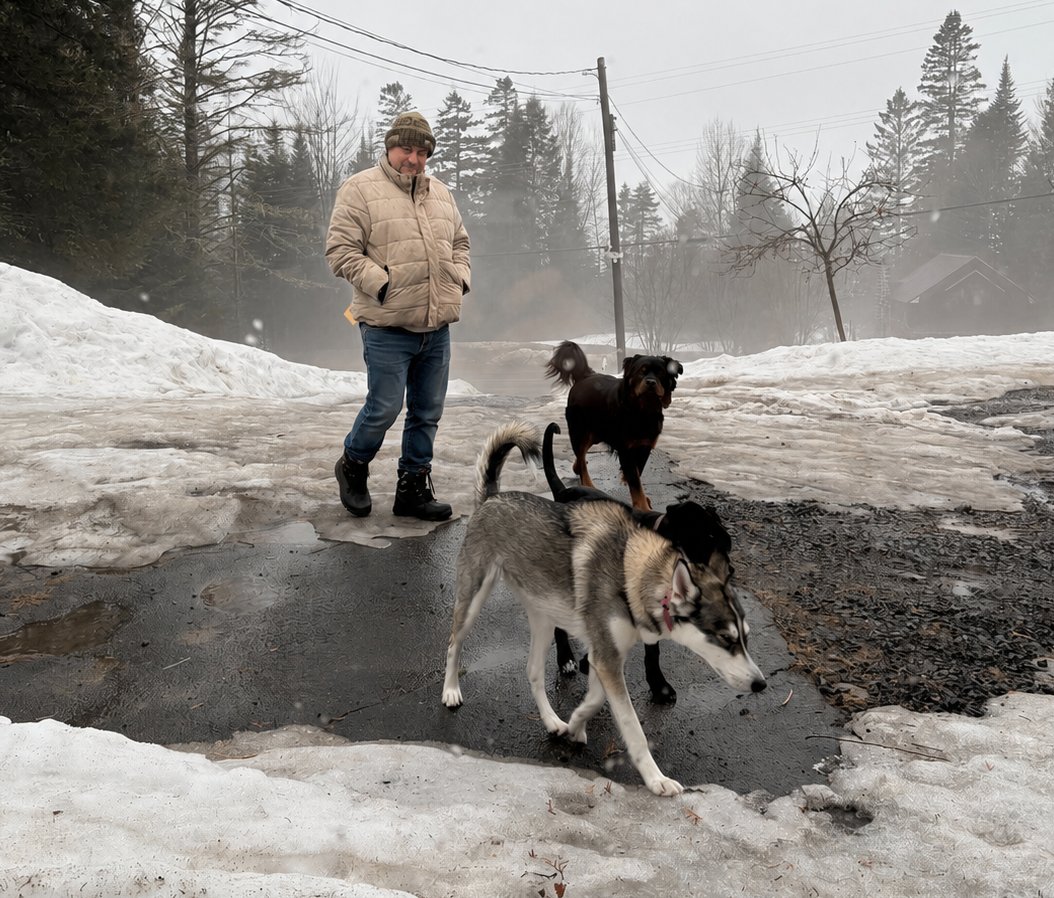
Frontline Paws Foundation trains and places assistance dogs for PTSD, hearing, and mobility support — and brings therapy animals to children in hospitals. Our goal is that no one who needs a dog is turned away because they can't afford one.
To improve the independence and well-being of veterans, first responders, and people living with disabilities — through highly trained assistance dogs for PTSD, hearing, and mobility support.
And to bring comfort and healing to children in hospitals, through the simple, steadying company of a good dog.
Every dog is trained to the highest standard and matched carefully to the person who needs them.
For veterans and first responders living with post-traumatic stress. These dogs support emotional regulation, interrupt anxiety and panic, and help people return to daily life on their own terms.
Veterans & first respondersPlaced with people who are deaf or hard of hearing. Trained to alert their handler to sounds that matter — an alarm, a doorbell, a name being called — creating safety and independence at home and in public.
Deaf & hard of hearingFor people living with physical disabilities. These dogs retrieve dropped items, brace and steady their handler, open doors, and take the daily friction out of moving through the world.
Physical disabilitiesWe bring trained therapy animals into pediatric wards. For a child facing a long stay, a few minutes with a dog can reduce fear, ease pain, and give them something to look forward to.
Children in hospital
Every dog here is someone's second chance.

Certified Maître-chien (dog handler)Centre Canin des Ruisseaux — March 2025
Alex Tinnivlioglu is a certified Maître-chien — a professionally trained dog handler, credentialed through Centre Canin des Ruisseaux. He's spent years learning what a well-trained dog can do for someone who's struggling.
The dogs aren't the point. The person on the other end of the leash is.
Every dog is trained to the highest standard and matched carefully to the person who needs it. Through fundraising, grants, and community partnerships, we work to keep the cost to qualified recipients at little or nothing.
Training and placing one assistance dog takes months of work. Here's where you come in.
01
Help cover the cost of breeding, veterinary care, and months of training, so the dog reaches its handler at little or no cost.
Talk to us02
Puppy raisers, event help, hospital visit teams, and administrative support. If you have time and you love dogs, we want to hear from you.
Volunteer03
Hospitals, veterans' organizations, first responder departments, and local businesses — partnership is how this reaches the people who need it.
Get in touchWhether you need a dog, want to help, or just have a question — we read every message.
If you're a veteran, first responder, or living with a disability and you think an assistance dog could help — please reach out. There's no cost to ask, and no obligation. We'll talk you through what's involved and be honest about timelines.
write2alexandros@gmail.comEmail us — we reply within a day